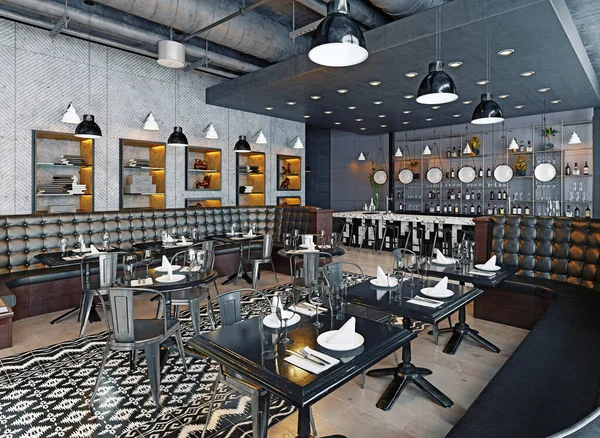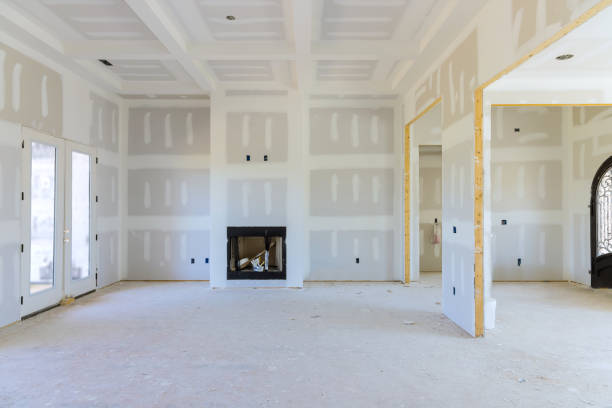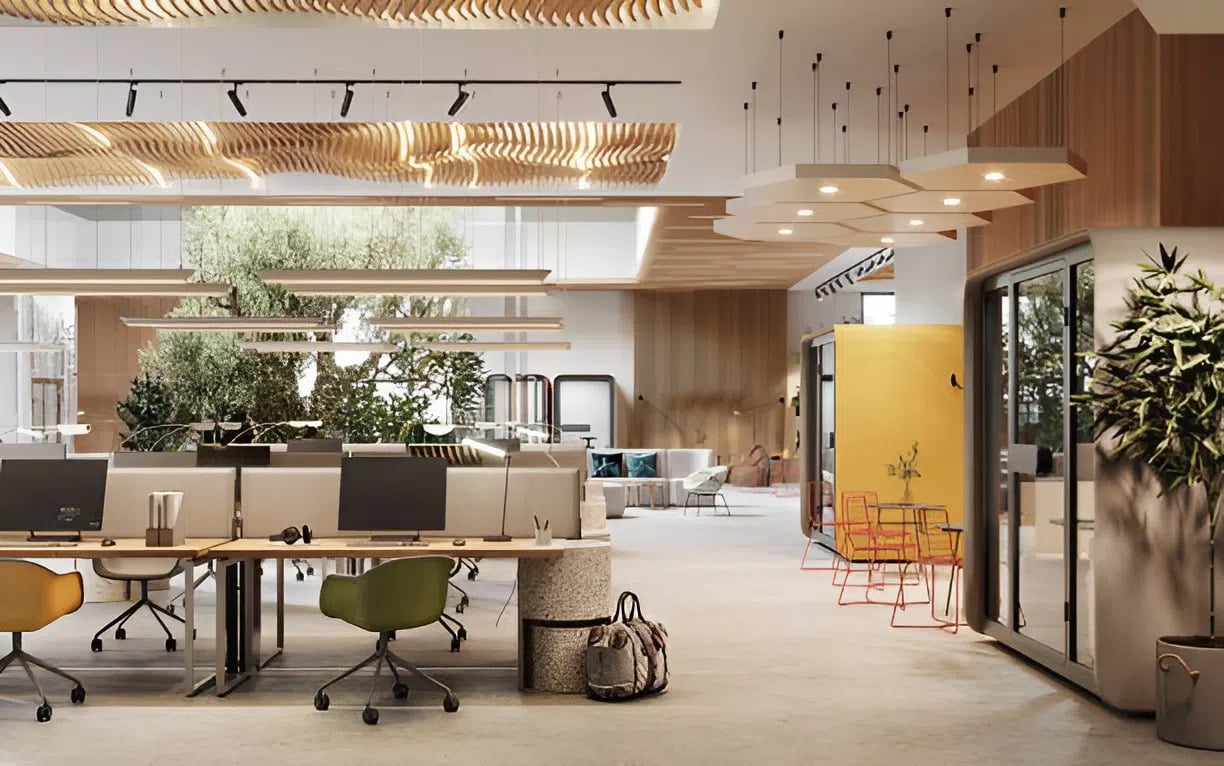
Creative output is often discussed in terms of talent, leadership, or company culture. Far less attention is paid to the physical environment where that work actually happens. Yet across offices, studios, and commercial buildings, the condition of the interior space quietly shapes how people think, focus, and perform. According to a commercial painter in Richmond, VA, the relationship between workspace condition and creative output is consistent, measurable, and frequently underestimated.
Businesses rarely notice the connection because physical space does its work in the background. When it functions well, it fades into the environment. When it does not, productivity, morale, and creative momentum slowly erode.
How Physical Space Influences Creative Performance
Creative work depends on mental clarity and sustained focus. Distractions do not need to be dramatic to interfere. Visual noise, worn surfaces, and poorly maintained interiors all compete for attention, even when people are not consciously aware of it. A commercial painter in Richmond, VA, regularly observes that teams working in well-maintained environments tend to move with more ease and confidence throughout the day.
Visual Order and Mental Focus
Order in a physical space supports order in thinking. Clean lines, consistent finishes, and balanced color environments reduce low-level cognitive stress. When walls show uneven wear, patchwork repairs, or discoloration, the space subtly communicates neglect. According to a commercial painter in Richmond, VA, these visual signals accumulate over time, pulling attention away from creative tasks and into environmental discomfort.
Creative teams do not need flashy interiors. They need spaces that feel intentional, stable, and cared for.
Environmental Signals and Creative Confidence
The physical environment also sends signals about expectations. Commercial interiors that are maintained with consistency tell employees their work matters. A commercial painter in Richmond, VA, often notes that when businesses invest in maintaining their interiors, teams take greater ownership of their space and, by extension, their output.
Creative confidence grows in environments that feel respected. When the surroundings feel temporary or neglected, that sense of disposability can transfer to the work itself.
The Role of Color, Light, and Surface Condition
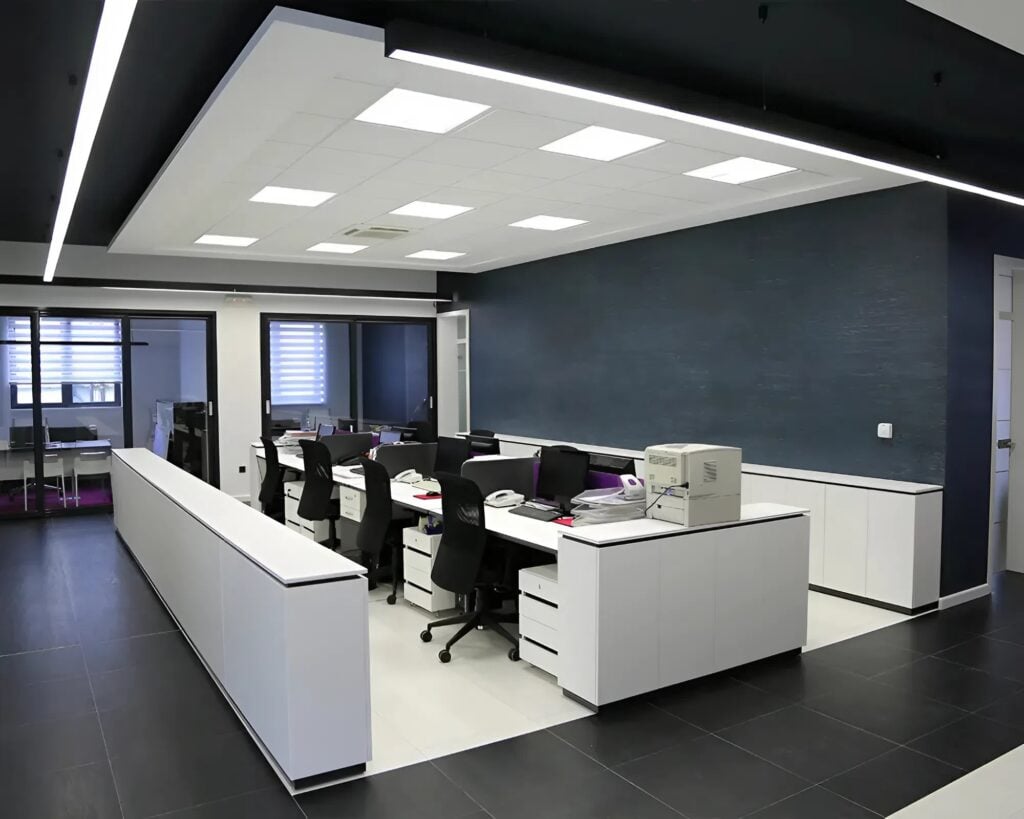
Physical space affects creativity through more than layout alone. Surface condition, color balance, and light interaction all play critical roles in shaping how a space feels over long workdays.
Color Balance and Energy Levels
Color does not need to be bold to be effective. Subtle, balanced tones help maintain energy without overwhelming the senses. A commercial painter in Richmond, VA, understands how different environments require different visual temperatures. Creative offices often benefit from colors that feel calm but not flat, allowing mental stimulation without fatigue.
When color palettes are outdated or inconsistent, they can flatten the energy of a space. Over time, this dampens creative momentum.
Light Reflection and Surface Quality
Surface condition affects how light moves through a space. Scuffed walls, uneven finishes, and aging coatings absorb light unevenly, making spaces feel dull or closed in. A commercial painter in Richmond, VA, frequently works with businesses that underestimate how much surface quality impacts brightness and clarity.
When light reflects evenly, spaces feel more open, alert, and mentally supportive.
Long-Term Wear and Its Effect on Creative Teams
Creative output is rarely disrupted by a single flaw. Instead, it declines through accumulated friction. Peeling paint, frequent touch-ups, and visibly worn surfaces send a message that maintenance is reactive rather than intentional.
The Cost of Deferred Interior Maintenance
Deferred maintenance creates visual inconsistency. A commercial painter in Richmond, VA, often sees creative environments where sections of a space tell different stories due to years of piecemeal repairs. This lack of cohesion subtly disrupts the rhythm of daily work.
When spaces feel fragmented, creative thinking follows suit.
Why Consistency Matters More Than Novelty
Creative spaces do not need constant redesigns. They need consistency. According to a commercial painter in Richmond, VA, maintaining a cohesive interior over time supports long-term creative performance far more effectively than frequent stylistic changes.
Consistency builds trust between people and their environment. That trust allows creativity to operate without friction.
Planning Commercial Spaces That Support Creative Output
Creative performance improves when interior decisions are planned rather than reactive. Businesses that schedule commercial painting maintenance strategically avoid disruption while protecting the visual integrity of their workspace. A commercial painter in Richmond, VA, typically advises aligning interior work with operational cycles rather than waiting for visible decline.
Aligning Interior Care With Business Goals
Interior conditions should support how a space is used, not compete with it. Creative teams thrive when their environment feels stable, predictable, and professionally maintained. A commercial painter in Richmond, VA, understands how to evaluate interior wear patterns and recommend solutions that preserve continuity.
This approach reduces downtime and protects creative flow.
Supporting Creativity Without Distraction
The best creative environments do not announce themselves. They simply work. According to a commercial painter in Richmond, VA, when interior spaces are handled with restraint and intention, they stop demanding attention and start supporting focus.
Choose Slocum Painting: Your Trusted Commercial Painter in Richmond, VA
When a commercial environment starts to feel visually inconsistent or worn, it can quietly affect focus, morale, and day-to-day performance. Our experts at Slocum Painting help businesses to take a measured look at interior conditions, surface durability, and finish consistency before those issues begin to interfere with how teams work and interact.
Scheduling a call today to create a work environment that supports productivity and creative output.